Tissue Repair Compounds
Peptides studied in tissue repair, cell migration and angiogenesis models, from the gastric pentadecapeptide BPC-157 to thymosin beta-4 and its fragments. 5 compounds in local stock, each with a batch Certificate of Analysis, delivered in 2–4 days.
Popular for: in-vitro migration assays, comparative TB-4 / TB-500 work, combination models.5in stock
₡40,069from, per vial
−20%on 10+ vials
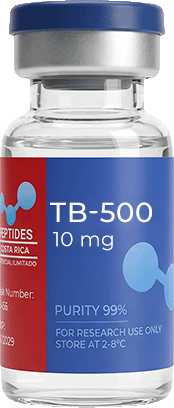
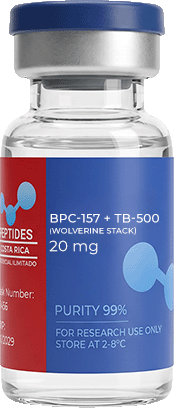
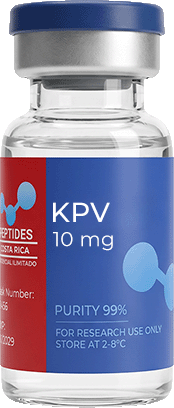
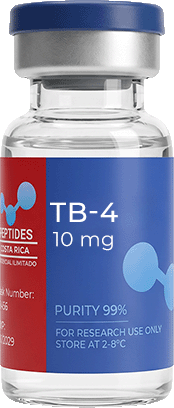
sell
Stocking up on tissue repair compounds?15% off 5+ vials, 20% off 10+ of the same product. Applied automatically.
See savingsBuying tissue repair compounds in Costa Rica
Every compound in this category is held in local stock in Costa Rica, so there's no customs delay and no import fee. Vials are lyophilised (or liquid, where stated), stored at 2–8 °C on site from arrival to dispatch, and shipped with tracking in 2–4 days.
Most products are independently tested before sale. You'll find their Certificates of Analysis in our COA database, and we'll send the COA for your exact batch on request.
Most-ordered in this category: BPC-157.
workspace_premium
The Peptides Costa Rica promise
Every vial is stored cold and delivered fast. If a vial arrives damaged or doesn't match your order, tell us within 7 days with a photo and we replace it. No arguments.
Tissue Repair Compounds FAQ
Peptides studied in tissue repair, cell migration and angiogenesis models, from the gastric pentadecapeptide BPC-157 to thymosin beta-4 and its fragments.
From ₡40,069 per vial. 15% off 5+ vials and 20% off 10+ of the same product, applied automatically.
Yes. Most products are tested by an independent laboratory before sale, and their Certificates of Analysis are published in our COA database.
2–4 days anywhere in Costa Rica, from our own cold storage. No customs or import fees.
No. These products are supplied for laboratory research only. We don't provide dosing, protocols or medical advice.
Tissue Repair Compounds brings together the peptides most often used in laboratory research on how tissues respond to injury: BPC-157, thymosin beta-4, TB-500, and two blends that combine them with GHK-Cu and KPV. The name describes the research field these peptides are studied in, not an effect they have. Peptides Costa Rica is a research supplier, not a clinic or therapy service. Every product here is supplied for laboratory research use only, with independent batch testing.
What Tissue Repair Research Covers
Tissue repair is a broad research field. It covers how cells move into a damaged area, how new blood vessels form, how connective tissue is rebuilt, and how inflammation starts and settles again.
The peptides in this category are used as tools for studying each of those steps in cell cultures and animal models. BPC-157 is a 15-amino-acid sequence first identified in a protein from human gastric juice. Thymosin beta-4 is a 43-amino-acid protein that binds actin, part of the internal scaffolding of every cell.
At Peptides Costa Rica, we supply these peptides for research purposes only. We focus on giving clear product information, fair pricing, and reliable local service for customers in Costa Rica.
Compounds
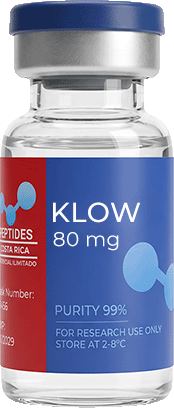
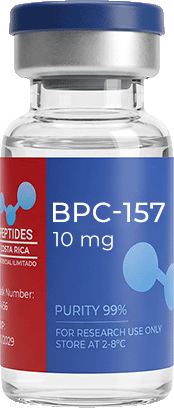
About the Peptides in This Category BPC-157 BPC-157 is a synthetic peptide of 15 amino acids. Its sequence comes from a larger protein found in human gastric juice, and the name stands for body protection compound. Most published work comes from one research group at the University of Zagreb, in rats and mice, using tendon, muscle, gut and blood vessel models. Human data are very limited. Thymosin Beta-4 and TB-500 Thymosin beta-4 is a 43-amino-acid protein found in nearly every cell. It was first characterized from calf thymus, hence the name, but its main role is binding actin, the protein that forms the cell's internal scaffolding. TB-500 is a different molecule: a synthetic seven-amino-acid copy of the actin-binding region. Thymosin beta-4 has been through early clinical trials as a pharmaceutical eye drop. TB-500 has essentially no human data. GHK-Cu and KPV KLOW adds two small peptides to BPC-157 and TB-500. GHK-Cu is a three-amino-acid peptide bound to copper, first isolated from human plasma in 1973 and studied mainly in cultured skin cells. KPV is the last three amino acids of alpha-melanocyte-stimulating hormone, studied mostly in mouse models of gut inflammation. Neither has been studied as part of this blend. Reading the Research No published study has tested either blend as a combination, so anything said about a blend is extrapolated from separate studies of each component. For the single peptides, most findings come from rodents and cell cultures. Animal results describe biological processes. They are not evidence of any effect in a person, and nothing on this page is supplied for human use.
Explore Tissue Repair Compounds
Browse the peptides in this category below. Each product page lists the vial size, form and storage conditions, and the certificate of analysis for the current lot is available on request.
Why Choose Peptides Costa Rica’s Tissue Repair Compounds
We supply high-purity research peptides with a focus on documentation, transparent pricing, fast domestic delivery and direct customer support.
scienceThird-Party Lab Tested All Peptides Costa Rica products are independently tested for purity, identity, and quality. Each batch is reviewed for peptide integrity, purity levels, and contaminants, with a COA included.
historyResearch-Grade Peptides Peptides Costa Rica supplies research-grade peptides made under strict quality-control standards. Products are synthesized for high purity & provided in stable lyophilized form for laboratory research.
lab_profileTrusted Peptide Supplier Peptides Costa Rica focuses on transparent sourcing, verified testing, and consistent product quality. Researchers rely on our peptide collections for dependable products, service & support.
Get In Touch
Questions about vial contents, the blends or documentation? Our team can confirm what is in stock, the current price and the expected delivery window for your province, and can send the certificate of analysis for a particular lot before you order. For the two blends, the certificate is the place to check the components in that lot. Contact us directly if you are planning a larger order or a repeat order.
How Tissue Repair Compounds Are Studied
Research on these peptides relies on a few laboratory models, mostly in cells or rodents.
Studies typically measure:
These are laboratory measurements, not evidence of any effect in a person
Example Peptides in This Category
Several names in this area sound alike but describe different compounds.
scienceBPC-157BPC-157 appears in three of the four products here: on its own and in both blends. Its research base is mostly rodent studies.
historyThymosin Beta-4, TB-500 and ThymalinThymosin beta-4, TB-500 and Thymalin are often confused. TB-500 is a short fragment of thymosin beta-4. Thymalin is unrelated: a bioregulator first developed as a thymus extract, listed in our Bioregulator Peptides category.
lab_profileThymalinThymalin is studied for its effects on immune system signals and cell regulation, and how it might relate to regeneration and recovery.
Who Orders Tissue Repair Compounds
Orders in this category come mostly from laboratories working on cell migration, wound-closure models and inflammatory signaling.
Buyers typically include:
Ordering Peptides in Costa Rica
Peptides Costa Rica serves customers only within Costa Rica.
To place an order:
We handle orders directly and confirm availability before you pay.
Buy Tissue Repair Compounds Across Costa Rica
Peptides Costa Rica supplies research-grade Tissue Repair Compounds throughout all seven provinces. Whether your work involves cell migration assays, rodent injury models, actin binding or inflammatory signaling, our team can help you confirm current availability, vial sizes, blend contents, pricing, payment details, and local delivery options before ordering. Delivery is within Costa Rica only.
Tissue Repair Compounds Delivery Across Costa Rica
Product availability may change. Contact our team to confirm the selected compound, required quantity, final price, payment information, and delivery location before completing your order.
Customer Success Stories
We take pride in the trust and loyalty of our customers. Numerous individuals across Costa Rica have experienced transformative results with our peptide products. Our testimonials section is a living showcase of positive outcomes, featuring stories of enhanced energy, impressive muscle growth, and dramatic reductions in body fat.
Trustpilot
Rated 4.5 out of 5
Frequently Asked Questions
Tissue Repair Compounds is our category for peptides used in laboratory research on how cells and tissues respond to injury. It holds BPC-157, a 15-amino-acid peptide; thymosin beta-4, a 43-amino-acid protein; TB-500, a seven-amino-acid fragment of thymosin beta-4; and two blends that combine these with GHK-Cu and KPV. All are made by peptide synthesis and supplied as lyophilized powder. The name describes the research field, not an effect. Most published findings come from cell cultures and rodent models, and human data are limited or absent. Supplied for laboratory research use only, not for human or veterinary use.
Each peptide is studied through a different mechanism, and none is fully understood. Thymosin beta-4 binds actin, the protein that forms the cell's internal scaffolding, which is why research links it to how cells change shape and move. TB-500 copies the part of thymosin beta-4 that binds actin. For BPC-157, rodent studies point to blood vessel formation and growth factor signaling, but the mechanism is still debated. KPV is studied for inflammatory signaling in gut cells, and GHK-Cu for how it binds copper. These descriptions come from cell and animal research and establish no use outside the laboratory.
All four products ship as lyophilized powder in sealed vials. Before reconstitution, store them refrigerated, away from light, heat and moisture. Bacteriostatic water is the usual reconstitution fluid, and our vials hold 3 ml, so reconstitution volumes stay within that. Add the water slowly down the inside wall of the vial and swirl gently rather than shaking. Once reconstituted, keep the vial refrigerated and use it within the window your protocol sets. The KLOW blend contains GHK-Cu, which gives the solution a blue color. That color comes from the copper and is expected.
Published laboratory work on these peptides falls into a few areas. Cell studies measure how quickly cells migrate and close a scratch made in a culture dish. Animal studies, mostly in rats and mice, use models of tendon, muscle and gut injury. Vascular studies look at blood vessel formation in cells and animals. Inflammation studies track signaling markers in cultured cells and tissue samples. For BPC-157, most of this work comes from a single research group in Croatia. Results from cell and animal models describe biological processes, not effects in a person.
Orders are typically delivered within 2–4 business days from the date the order is placed. Delivery is within Costa Rica only. Timing can vary with carrier schedules, the delivery province and order processing. We confirm stock and the expected delivery window with you before an order is finalized.
Explore other categories
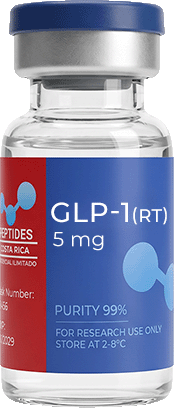 Metabolic & GLP-1 Compounds
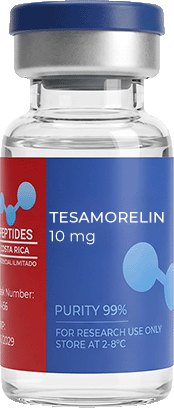 Growth Hormone SecretagoguesTissue Repair Compounds
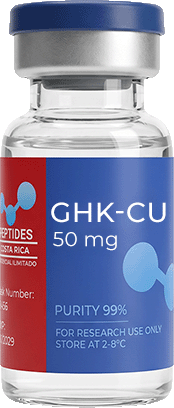 Copper & Dermatological PeptidesCopper PeptidesCollagen Peptides
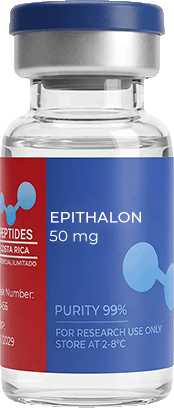 Bioregulator Peptides
 Mitochondrial Compounds
 Nootropic & Neuropeptides
 Sleep-Related Neuropeptides
 Cardiovascular Research Compounds
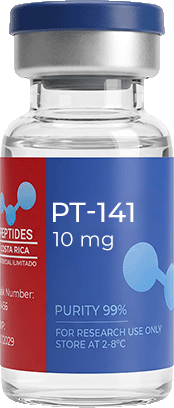 Reproductive Signalling Peptides
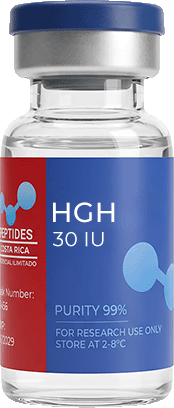 Somatropin & Related Compounds
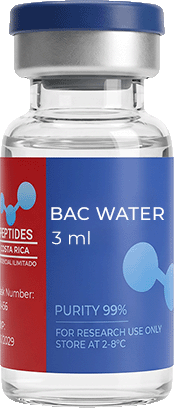 Bacteriostatic Water
For laboratory research use only. Not for human or veterinary use.