
 Free BAC Waterwith every order
Tissue repair
BPC-157 (Pentadecapeptide)
★★★★★5.0 Google · 4.6 TrustpilotIn stock
₡40,115
1 × ₡40,115 · + free BAC Water
Strength 1 option
Quantity Best discount applies automatically
Black Friday Early Bird
Ends in3days07h00min
4+1Buy 4, get 1 freeMix any deal vials · applied automatically
₡40,115. The bigger discount applies; not combined with volume pricing.
Quantity
COA on most productsMoney-back guarantee2–4 day delivery
Frequently ordered together
Bundle total
₡40,115
₡40,115
Specifications
FormLyophilized powder
Strengths10 mg
CategoryTissue repair
Storage2–8 °C, away from light
DocumentationCOA published
Type15-amino-acid synthetic peptide
Molecular formulaC₆₂H₉₈N₁₆O₂₂
Molecular weight1419.5 g/mol
CAS137525-51-0
Questions
The compound and amount on the label, as lyophilized powder (or ready-to-use liquid for blends and waters). Most products have a Certificate of Analysis confirming identity and purity.
2–4 business days anywhere in Costa Rica, tracked, from our own cold storage. No customs or import fees.
Card, SINPE Móvil or bank transfer.
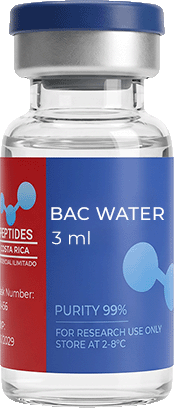
15% off 5+ vials of the same product, 20% off 10+. The best discount applies automatically. Every order includes a free BAC Water 3 ml, and delivery is free over ₡89,145.
No. All products are for laboratory research use only. We don't provide dosing or medical advice.
Why order from us
scienceThird-party testedCOA on most products
ac_unitCold storage on site2–8 °C until dispatch
local_shipping2–4 day deliveryLocal stock, no customs
autorenewReplacement promiseDamaged or off-batch? Replaced
What people say
Después de una lesión en el gimnasio, empecé a usar BPC-157 y la verdad me sorprendieron los resultados. Tenía molestias constantes en el hombro y en la rodilla, y después de unas semanas noté mucha menos inflamación y mejor movilidad. También sentí que mi recuperación después de entrenar era más rápida. Lo mejor es que pude volver a hacer ejercicio sin tanto dolor. En mi experiencia, BPC-157 sí ayuda bastante con la recuperación y el bienestar general. Solo recomiendo investigar bien y usar productos de buena calidad.
 ★★★★★
Excellent service, quality, and price. For me, they are the best in Costa Rica; I hope they never change.
Daniel Manzanares Quesada · Trustpilot
★★★★★Hay stock y son rápidos y asesoran muy bien, confiable los pagos y el producto llega en buen estado.
Botanical Cosmetic · Trustpilot
 ★★★★★
Son excelentes, mil estrellas.
Lic. Juan Alfonso Mata Chavarría · Google
More in Tissue repair
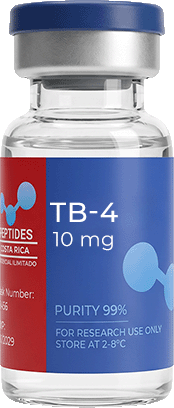
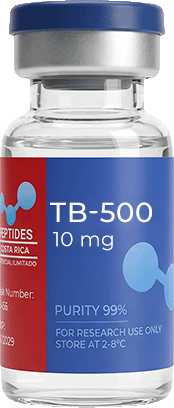
Research use only. Supplied for laboratory research. Not for human or veterinary use. We do not provide dosing or medical advice.
Studies
What BPC-157 Is and What the Literature Covers Sequence and Identity BPC-157 stands for Body Protection Compound 157. It is a pentadecapeptide — fifteen amino acids — with the sequence Gly-Glu-Pro-Pro-Pro-Gly-Lys-Pro-Ala-Asp-Asp-Ala-Gly-Leu-Val. Molecular formula C62H98N16O22, molecular weight 1419.56, CAS 137525-51-0. The sequence is a partial fragment of a larger protein identified in human gastric juice, which is where the compound's name and its noted stability in gastric acid both come from. Pathways Reported in the Literature The published mechanistic work describes interaction with the nitric oxide system, effects on vascular endothelial growth factor receptor 2 signalling and on focal adhesion kinase and paxillin, and modulation of several growth factor pathways. These are reported findings in rodent tissue and cell culture. The proposed mechanism is not settled and no single receptor has been established as the target. Gastrointestinal Support These peptides are also noted for their role in gastrointestinal mucosal protection. BPC-157 helps maintain the integrity of gut tissues, making them a subject of interest for research concerning gut health. This function underlines their potential in supporting digestive system resilience, offering a means to protect and repair the gut lining effectively. Strength of the Evidence This is where BPC-157 needs plain speaking. The animal literature is large, spanning rodent and some canine models. Human data is very thin: a small retrospective series and an early-phase trial in healthy volunteers whose results were never published. Independent replication outside the originating group is limited. Reviewers have consistently noted the absence of efficacy data in people and the small number of preliminary safety studies. Widely studied is not the same as well evidenced.
Why Choose Peptides Costa Rica’s BPC-157 Peptides?
We specialize in supplying high-purity research peptides with a focus on transparency, fast domestic delivery, and dedicated customer support.
scienceThird-Party Lab Tested All Peptides Costa Rica products are independently tested for purity, identity, and quality. Each batch is reviewed for peptide integrity, purity levels, and contaminants, with a COA included.
historyResearch-Grade Peptides Peptides Costa Rica supplies research-grade peptides made under strict quality-control standards. Products are synthesized for high purity & provided in stable lyophilized form for laboratory research.
lab_profileTrusted Peptide Supplier Peptides Costa Rica focuses on transparent sourcing, verified testing, and consistent product quality. Researchers rely on our peptide collections for dependable products, service & support.
BPC Research Overview
BPC-157 is one of the most frequently discussed research peptides and one of the least settled. The compound was derived from a protein found in human gastric juice, and its defining physical property is stability: it resists degradation in gastric acid, which is unusual for a peptide of this size and is the reason it attracted attention in the first place.
The published work is overwhelmingly preclinical, concentrated in rodent models and conducted largely by the group at the University of Zagreb that first characterised the peptide. Studies cover a wide range of tissue types and injury models. The breadth is real; the independence is limited.
Mechanistically, the literature describes involvement of the nitric oxide system and of several growth factor signalling pathways, but no single receptor has been established and the mechanism remains a subject of active argument rather than consensus.
Human data remains the gap. A small retrospective series and an unpublished early-phase trial in healthy volunteers are the extent of it. No regulator anywhere has approved BPC-157 for any indication.
Get In Touch
Have questions about BPC-157 pricing, the BPC-157 + TB-500 combination vial, restock timing, or shipping inside Costa Rica? Our team can walk you through current availability, bulk pricing scenarios, and storage details so you can place an informed order.
Why Researchers Choose BPC-157
A single defined sequence with published specifications, batch documentation, and stock held in Costa Rica.
scienceDefined SequenceFifteen residues, GEPPPGKPADDAGLV, molecular weight 1419.56, CAS 137525-51-0 — one sequence, not a blend.
historyConfirmable IdentityA single molecular weight means mass spectrometry can confirm identity against a specific figure rather than a range.
lab_profileDocumented PurityHPLC purity with chromatogram and batch number on the Certificate of Analysis for every vial.
inventoryReliable SupplyConsistent availability with fast shipping across Costa Rica for uninterrupted research operations.
Trusted Source for Research Peptides
We supply high-purity BPC-157 and other research peptides with a focus on consistent quality, transparent pricing, and reliable local delivery. Every order ships from inside Costa Rica, so you avoid the customs delays, import duties, and uncertainty that come with international peptide purchases.
scienceBulk SavingsSave more with bulk purchases. Buy five or more vials of the same product and get 15% off with clear, upfront pricing and no hidden conditions.
historySimple Ordering ProcessPlace orders through a simple process—review products, confirm availability, choose your payment method, and arrange delivery within Costa Rica.
lab_profileFlexible Payment OptionsChoose from secure payment options including SINPE Móvil, Zelle, or cash for smooth and convenient transactions.
inventoryTransparency & DocumentationWe provide Certificates of Analysis along with clear communication, verified stock, and straightforward pricing for complete trust.
How to order
- 1ChoosePick the strength and quantity. Bulk discounts apply automatically.
- 2CheckoutPay by card, or send the order on WhatsApp for SINPE or bank transfer.
- 3ReceiveDelivered in 2–4 days with your batch COA.
BPC-157 FAQ
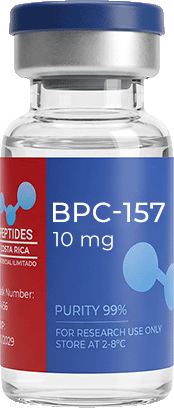
BPC-157, short for Body Protection Compound 157, is a synthetic pentadecapeptide: fifteen amino acids in the sequence GEPPPGKPADDAGLV. Molecular formula C62H98N16O22, molecular weight 1419.56, CAS 137525-51-0. The sequence corresponds to a fragment of a protein identified in human gastric juice. It is a single peptide, not a blend or a mixture. Supplied as a lyophilised powder in 10mg vials for laboratory use.
The published mechanistic work reports interaction with the nitric oxide system, effects on vascular endothelial growth factor receptor 2 signalling, and involvement of focal adhesion kinase and paxillin, alongside modulation of several growth factor pathways. These findings come from rodent models and cell culture. No single receptor has been established as the compound's target, and the mechanism is still disputed in the literature rather than agreed. There is no published human mechanistic data.
BPC-157 is supplied as a lyophilised powder and should be stored sealed and refrigerated at 2 to 8 degrees Celsius, or frozen for long-term storage. Once in solution it is markedly less stable than in powder form and should be kept refrigerated and protected from light. Vials should remain sealed until use, and the original packaging protects against moisture and contamination. Material is non-sterile. These are storage conditions for preserving the material, not statements about what it does.
The published record is overwhelmingly preclinical. Studies span rodent models across a range of tissue types, with some canine work, and cover a wide variety of injury and lesion models. Almost all of it originates from the research group at the University of Zagreb that first characterised the peptide, and independent replication is limited. Human data consists of a small retrospective series and an early-phase trial in healthy volunteers whose results were never published.
Orders are typically delivered within 2–4 business days from the date the order is placed. Delivery times may vary depending on the shipping destination, carrier delays, and order processing times.
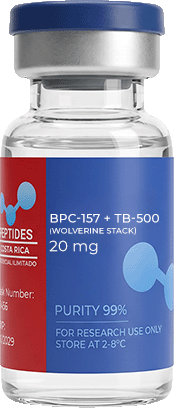
A single lyophilised vial containing two peptides, BPC-157 and TB-500, at a stated combined mass of 20mg. Because it contains two sequences it is a mixture rather than a compound, so the specification that matters is the identity and quantity of each component stated separately on the Certificate of Analysis, not the combined total. Confirm the split and the exact form of TB-500 supplied before purchase.
They are structurally different peptides. BPC-157 is a fifteen-residue sequence derived from a human gastric juice protein. TB-500 is a shorter synthetic sequence corresponding to the actin-binding region of thymosin beta-4, a 43-residue protein — TB-500 and thymosin beta-4 are not the same molecule, despite being used interchangeably across the industry. Both are characterised almost entirely in preclinical models. Neither holds approval from any regulator, and both appear on the World Anti-Doping Agency Prohibited List.
No. We supply material and documentation. We do not provide dosing guidance, reconstitution volumes, protocols or administration instructions, and we do not refer enquirers elsewhere for them.